
Playbooks
Slow weekdays at a play area: what to sell, and when
Weekday mornings are the slow part, not evenings. Fill 10am to 2pm with things families book, give time instead of discounts, and keep evenings at full price.
Running an indoor play centre, by the numbers. Data from real floors, playbooks for birthdays and slow weekdays, and notes on what we’re building — a short read every couple of days.
Short, practical notes on running an indoor play centre — the numbers, the playbooks, and what we’re building. Unsubscribe anytime.
Weekday mornings are the slow part, not evenings. Fill 10am to 2pm with things families book, give time instead of discounts, and keep evenings at full price.
Before you pay, check a year of daily sales by UPI, cash and card, visits by hour and repeat families, then the equipment, the lease and the staff.
A paper register is enough for a small, quiet play zone. Billing software pays off when extra time, siblings and split payments start to slip at a busy desk.
Ask about a trade licence, a fire NOC, the building's approved use and shop registration. In Ahmedabad, a soft play area needs a police licence too.
Yes, a little. Charge about a fifth more on weekends and full holidays, and choose the price each morning, because holiday dates move every year.
Sell two or three fixed packages: a set number of children, two hours, a clear price. Add an extra-child price, a deposit and a room-time rule.
How a digital waiver at QR check-in works for a soft-play centre: what parents sign, returning families, parents without phones, and what it costs.
ROLLER, Parafait, wakesys, Bookeo, Checkfront, Romio, Plinyo, paper and PlayOps compared on price, hardware, timers, waivers and repeat visits.
ROLLER does not publish prices; review sites list plans from $300 a month. What you get, when it is worth it, and lighter options for small play areas.
Decide in this order: the space and age group, prices, licences, staff, then your front-desk rules. A plain checklist from what new owners asked us.
Play equipment is listed at about ₹800–1,500 per sq ft on Indian supplier sites. Here is how to build the full budget for a small play area, step by step.
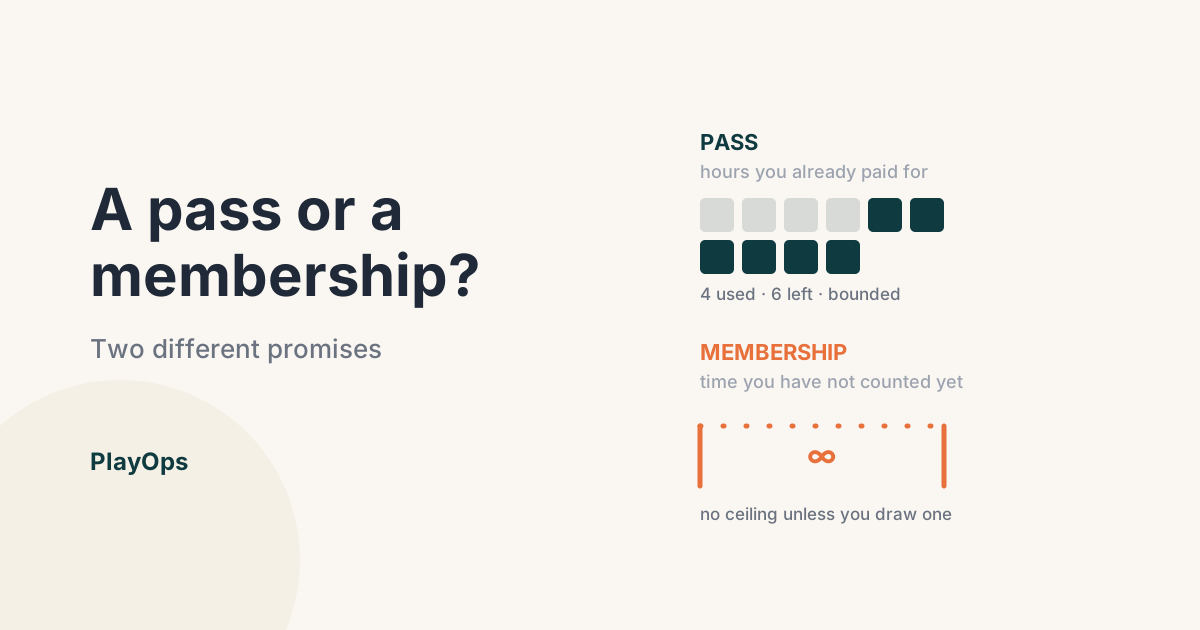
A pass is prepaid hours and a membership is unlimited time, so when your evenings are already full, the pass is the one that is safe to sell.
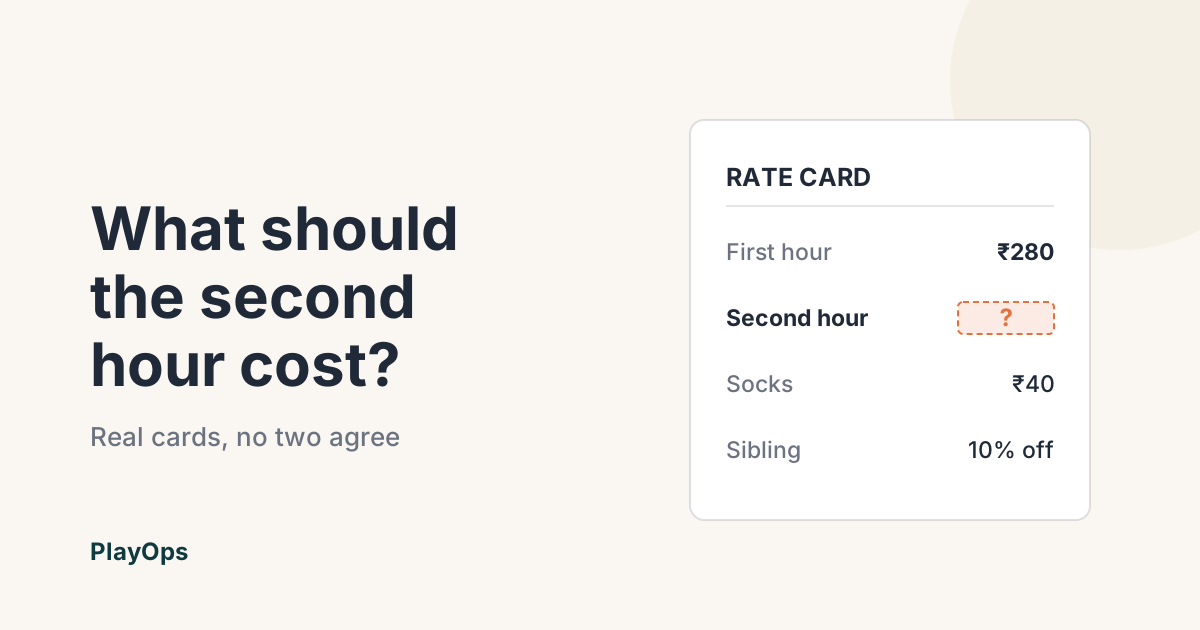
Charge close to full price when the second hour runs into your busy evening, and much less in a quiet hour, when the seat would sit empty anyway.
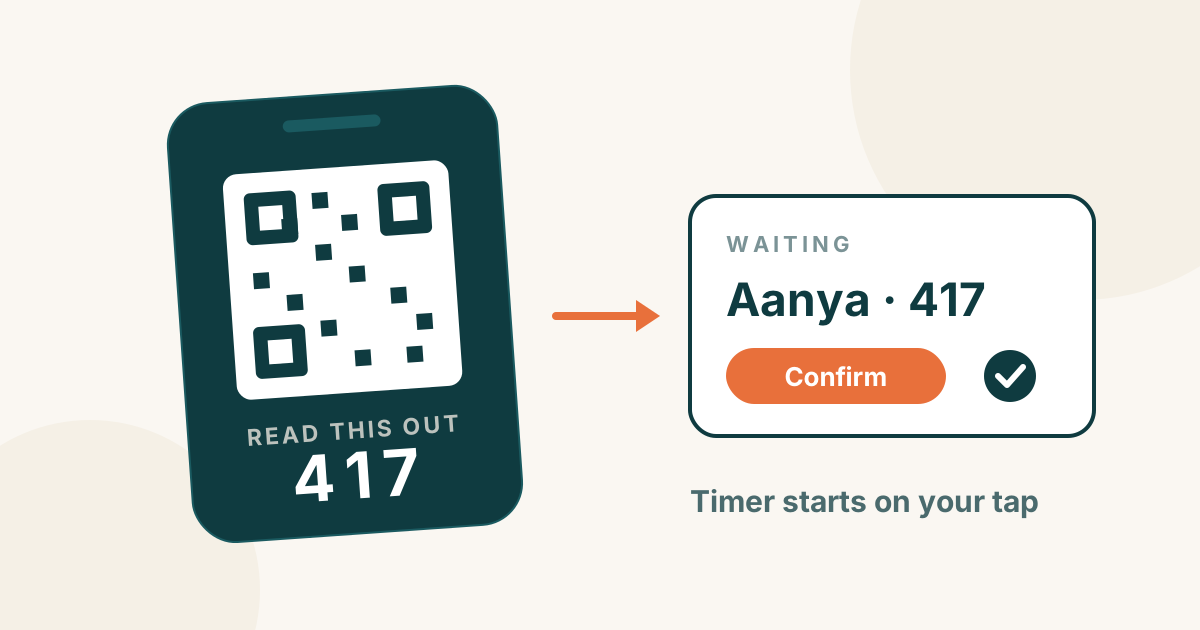
Parents fill the check-in form on their own phone, your desk confirms it with a 3-digit code, and their phone shows a live timer they can extend from.
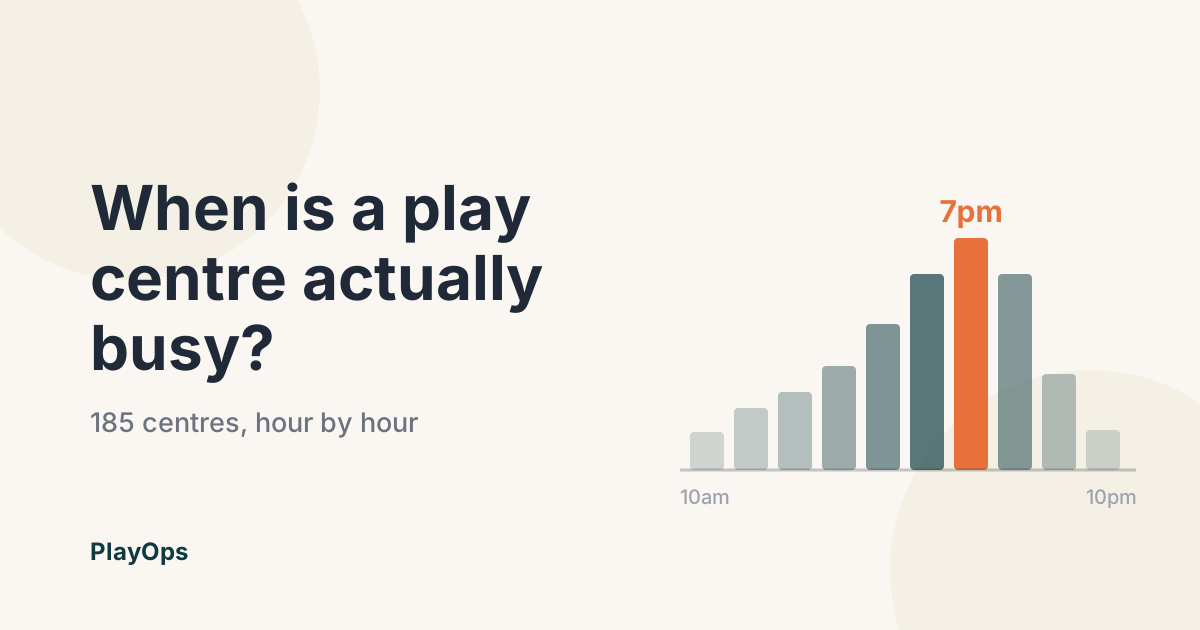
Google's hour-by-hour data for 185 South Indian play centres shows every day of the week peaks at 7pm, yet almost every centre is open by 11am.
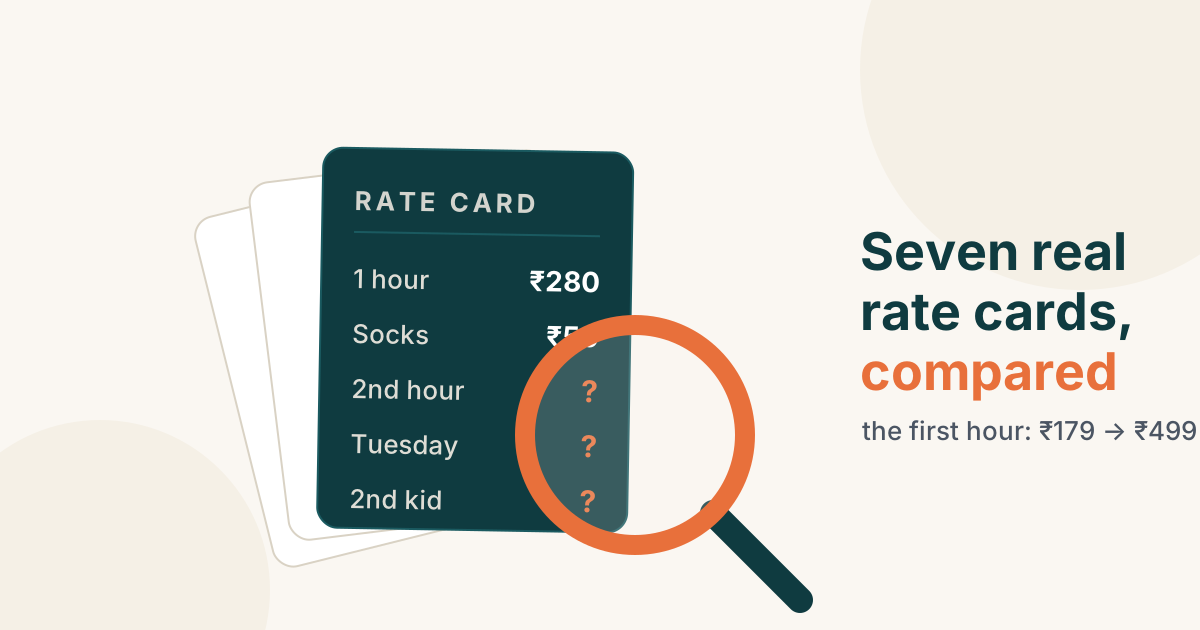
We compared printed rate cards from Indian play centres. The first hour runs ₹179 to ₹499, but the real story is the second hour, where no two cards agree.
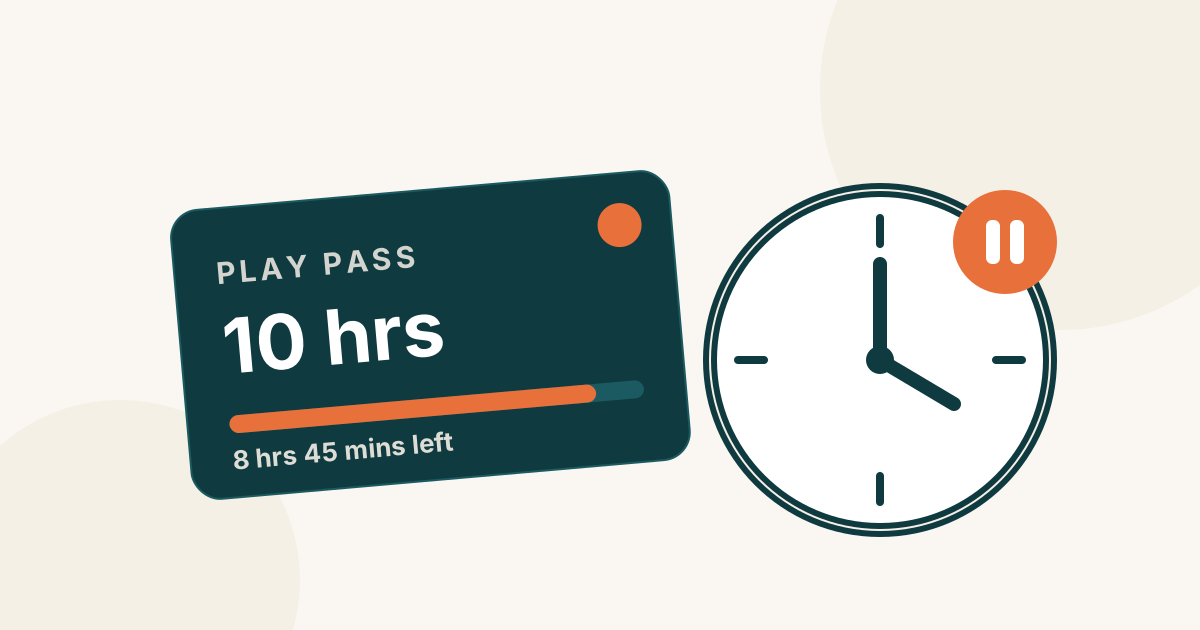
A prepaid 10-hour pass brings families back many times, and it stays fair when you charge only the minutes the child really plays, not a full hour.
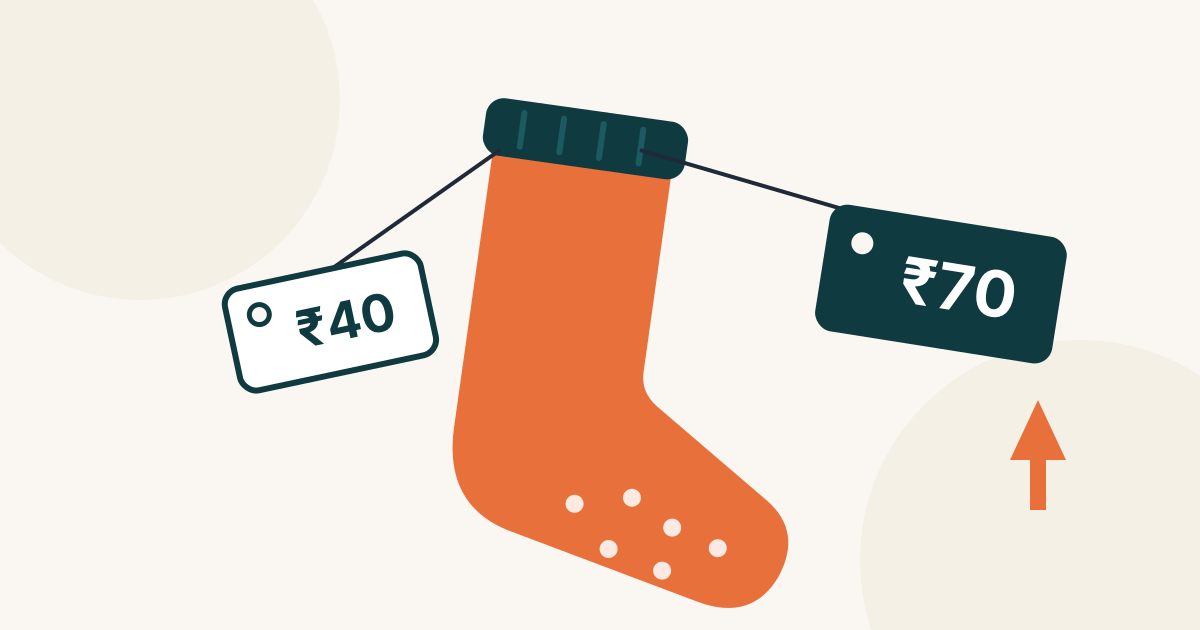
Two real floors, same ₹280 ticket: socks at ₹70 sold almost as often as socks at ₹40, so the higher price earned 22% more from the sock bin.

Why a reminder before a child's birthday and a small offer on the day build a bond no discount campaign can, and how to run it in two minutes per family.

Why we're starting this blog: short, practical notes on the operations and revenue of India's indoor play centres — from the team building PlayOps.